Sudanese Scientist Reveals The “GLUT4 Relief” Mechanism That’s Helping Thousands Support Healthy Blood Sugar Without Strict Diets Or Exhausting Workouts
Have you cut out sugar, reduced carbs, tried walking, joined a gym, or even experimented with intermittent fasting… only to see your blood sugar stay high?
What’s even more frustrating is feeling like the harder you try, the more tired you become — and the harder it is to lose weight.
If that sounds familiar, you’re definitely not alone.
Millions of Americans spend years counting calories, checking their blood sugar several times a day, and taking medication after medication, while their body seems to ignore every effort they make.
And the scary part?
It usually doesn’t get better on its own.
Over time, unstable blood sugar can affect your vision, your nerves, your circulation, and even your ability to enjoy simple moments with your family.
Many people start avoiding vacations, family gatherings, playing with their grandkids, and even intimacy because they feel exhausted, uncomfortable, and embarrassed by the weight they’ve gained.
But here’s the part that shocked researchers the most:
The real problem may not be insulin resistance alone.
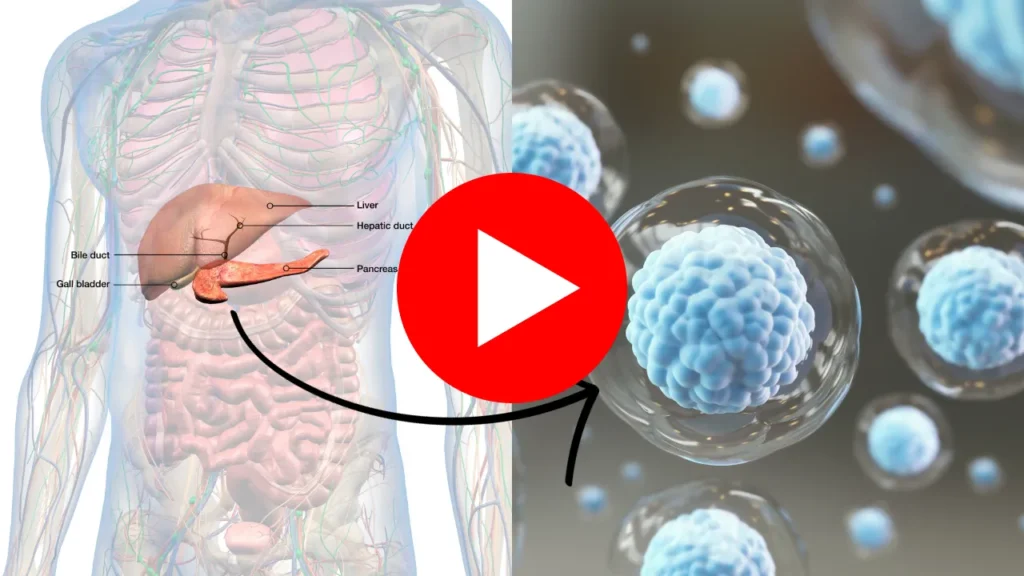
A team of scientists began investigating something they call “GLUT4 Overwhelm” — a condition where the receptors that help move glucose into your cells become overloaded and stop working properly.
According to their research, these receptors can get stuck in overdrive for years, eventually becoming less effective. And that could explain why so many people diet and exercise faithfully, yet still struggle with high blood sugar and stubborn belly fat.
The discovery became even more intriguing when an American researcher traveled to Sudan, in North Africa.
There, she found a population that regularly consumed sweet foods, yet maintained surprisingly healthy blood sugar levels.
After analyzing more than 900 local residents, she reportedly found virtually no cases of dangerously high blood sugar.
The secret appeared to be a rare sugar extracted from ancient acacia trees, traditionally used in that region for generations.
Laboratory tests suggested that this compound may help slow glucose absorption and give overworked GLUT4 receptors a chance to recover — a process researchers began calling “GLUT4 Relief”.
And the results have been turning heads.
More than 44,212 people have reportedly tried the formula inspired by this discovery.
One of the most remarkable stories came from a man in Texas who said he lost 53 pounds and dramatically reduced his dependence on insulin after years of struggling with type 2 diabetes.
Another user reported sleeping better, having more energy throughout the day, and feeling “10 years younger”.
The video explaining this research, the studies behind it, and how the GLUT4 Relief mechanism works is still available for now — but the creators say it may be taken down at any time because of the attention it’s receiving.
If you’d like to understand why your previous attempts may have failed and see the natural mechanism discovered in Sudan for yourself, it’s worth watching while access is still open.
Mainstreet Health Digest Copyright 2023. All rights reserved.
This site is not a part of Google, Inc. or Google.com, nor is it sponsored or endorsed by Google. YouTube is a trademark of Google, Inc.
Disclaimer: This site is provided for educational purposes only.
Please consult a health professional before implementing any strategy discussed on this website.